"We're just an importer. The Cyber Resilience Act applies to the manufacturers in China." That sounds logical. But it's wrong the moment your name or brand is on the product.
Who is a manufacturer under the CRA?
The EU Cyber Resilience Act is unambiguous here: Anyone placing a product with digital elements on the market under their own name or brand qualifies as a manufacturer. Not as an importer. Not as a distributor. As a manufacturer. With all the obligations.
The definition sits in Article 3 and is reinforced in Article 21: Importers and distributors become manufacturers under the regulation as soon as they place a product on the market under their own name or brand, or modify it substantially enough that it is treated as a new product.
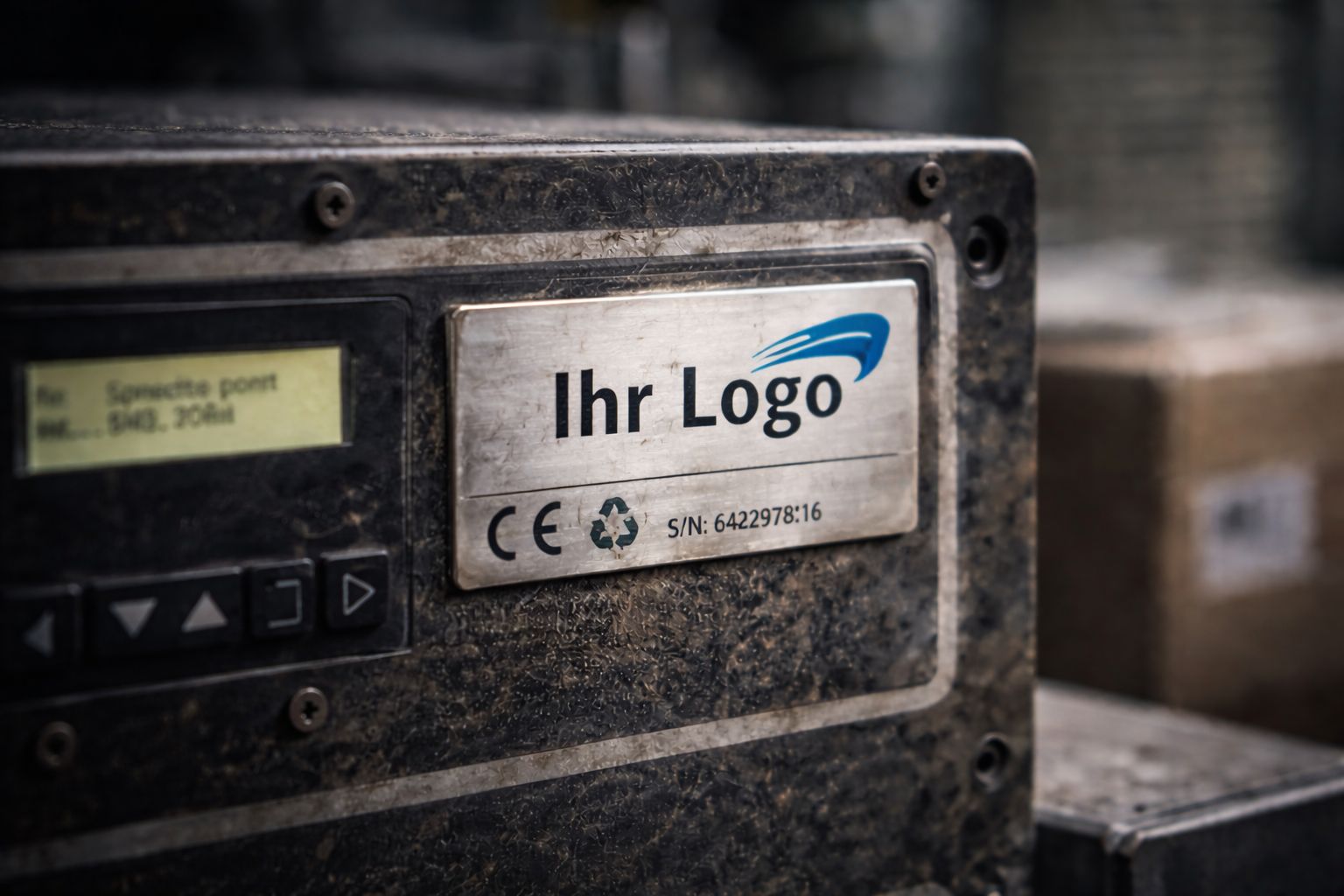
That means: Whoever puts the logo on takes on the responsibility. Risk assessment, SBOM, Security by Default, vulnerability management, reporting obligations, technical documentation. All of it sits with you. Not with your supplier in Shenzhen.
Why white-label vendors are especially affected
Companies with their own brands and white-label products are especially affected. The classic business model of buying product in Asia, branding it as your own and selling it in Europe now requires significant compliance effort on your side.
Anyone who used to review the CE papers from the upstream supplier and pass them on now bears the responsibility themselves, for all CRA-specific requirements, not just for the formal declaration of conformity.
Typical scenarios:
- Own-brand vendors in smart home or IoT segments rebranding OEM hardware
- Machinery integrators distributing finished control components from suppliers under their own label
- Distributors adapting white-label devices for the European market
- Online retailers with private labels for consumer electronics
In all cases: The moment your logo leaves the warehouse on the product, you are the addressee of all CRA obligations.
Myth vs. fact
Myth: We only import, so we're not affected.
Fact: Your logo on the product makes you the manufacturer under the CRA, with the full list of obligations.
What you should check now
Don't wait until 2027. Review your supplier contracts now and anchor concretely:
1. SBOM delivery obligation. Format, update frequency, delivery point. No defensible conformity statement and no vulnerability management without an SBOM.
2. Access to technical documentation. You must be able to substantiate the conformity assessment, without design data and source documentation from the supplier, that becomes difficult.
3. Contractually guaranteed vulnerability support. Response times matching the 24-hour reporting obligation. If your Chinese supplier needs three days for an initial response, you've long since missed the deadline.
4. Lifecycle update obligations. The CRA requires security updates for the expected useful life. Your supplier must support this horizon, contractually.
5. Audit rights and exit paths. What happens at contract end or supplier insolvency? Without access to design data, your product is unmaintainable after the next switch.
More on delegating liability to suppliers is covered separately.
Frequently asked questions
Am I an importer or a manufacturer when selling white-label products? The moment your name, brand, or logo is on the product, you are a manufacturer under the CRA, not an importer.
What does the CRA say about white-label arrangements? The CRA treats whoever places a product on the market under their own label as the manufacturer. Risk assessment, SBOM, vulnerability management, and reporting obligations sit with you.
What obligations do I have as a white-label vendor under the CRA? All manufacturer obligations: risk assessment, SBOM, Security by Default, continuous vulnerability management, 24-hour ENISA reporting, technical documentation, and the EU declaration of conformity.
Can my supplier in China handle CRA compliance for me? No. The CRA does not allow liability delegation. Contractual arrangements govern the internal relationship but do not change your public-law obligation.
Conclusion
Your logo makes you the manufacturer under the CRA. The obligations cannot be delegated, not even via supplier contracts.
Those who start today aligning supplier contracts on SBOM data, response times, update obligations, and data access will have a functioning compliance stack in 2027. Those who wait risk fines and recalls, and stand alone in the first ENISA inquiry.
A structured CRA roadmap helps close the gaps in your supply chain before market surveillance does it for you.
Every Friday I debunk a CRA myth here.