EU CRA by sector
The Cyber Resilience Act in your industry.
The Cyber Resilience Act applies in full from December 2027 to every product with digital elements sold in the EU. What that means differs by sector: product classes, conformity routes and the regulation next to it. Nine sector pages, each with its own product examples and obligations.
Last reviewed:
Product finder
Find your product
Type what you build. The finder shows the EU CRA class for typical products in nine sectors and takes you to the product or sector page with obligations, route and examples.
Most products are default class: pages on machines, PLCs, wallboxes, heat pumps and more- CNCDefault productIndustrial Machinery
- machine toolDefault productIndustrial Machinery
- packaging machineDefault productIndustrial Machinery
- robot cellDefault productIndustrial Machinery
- injection mouldingDefault productIndustrial Machinery
- PLCDefault productIndustrial Components
- HMIDefault productIndustrial Components
- operator panelDefault productIndustrial Components
- frequency inverterDefault productIndustrial Components
- servo driveDefault productIndustrial Components
- tractorDefault productSmart Farming
- agricultural machineryDefault productSmart Farming
- sprayerDefault productSmart Farming
- combineDefault productSmart Farming
- thermostatDefault productSmart Home & Consumer
- smart bulbDefault productSmart Home & Consumer
- smart plugDefault productSmart Home & Consumer
- blindsDefault productSmart Home & Consumer
- inverterDefault productEnergy & Building Tech
- battery storageDefault productEnergy & Building Tech
- hybrid inverterDefault productEnergy & Building Tech
- wallboxDefault productEnergy & Building Tech
- EV chargerDefault productEnergy & Building Tech
- charging stationDefault productEnergy & Building Tech
- charge pointDefault productEnergy & Building Tech
- heat pumpDefault productEnergy & Building Tech
- heating controllerDefault productEnergy & Building Tech
- air conditionerDefault productEnergy & Building Tech
- washing machineDefault productIoT & Consumer Products
- ovenDefault productIoT & Consumer Products
- coffee machineDefault productIoT & Consumer Products
- fridgeDefault productIoT & Consumer Products
- dishwasherDefault productIoT & Consumer Products
- robot vacuumDefault productIoT & Consumer Products
- CNC machining centre or machine toolDefault productIndustrial Machinery
- Packaging or filling machine with remote maintenanceDefault productIndustrial Machinery
- Robot cell or assembly line with a built-in PLCDefault productIndustrial Machinery
- Industrial robot with robot controllerDefault productIndustrial Machinery
- PLC or HMI panel sold on its ownDefault productIndustrial Machinery
- Frequency inverter or servo drive sold on its ownDefault productIndustrial Machinery
- Remote-access gateway with VPN function, sold separatelyImportant product, class IIndustrial Machinery
- Industrial router or managed switchImportant product, class IIndustrial Machinery
- Operator login reader sold separatelyImportant product, class IIndustrial Machinery
- Control-platform operating system placed on the market separatelyImportant product, class IIndustrial Machinery
- Industrial firewall for cell protection, intrusion detection systemImportant product, class IIIndustrial Machinery
- Washing machine, oven, coffee machine or fridge with an appDefault productIoT & Consumer Products
- Robot vacuum or kitchen scale with an appDefault productIoT & Consumer Products
- Pet tracker, bike computer, headphones with an app, without health features and not made for childrenDefault productIoT & Consumer Products
- E-bike display or pedelec drive with an appDefault productIoT & Consumer Products
- Power tool with Bluetooth and an appDefault productIoT & Consumer Products
- Notification-only smartwatch for adultsDefault productIoT & Consumer Products
- Bluetooth toy car without voice, camera or location featuresDefault productIoT & Consumer Products
- Fitness tracker or smartwatch with heart rate or sleep trackingImportant product, class IIoT & Consumer Products
- Kids' smartwatch, GPS watch and other wearables for childrenImportant product, class IIoT & Consumer Products
- Talking doll, learning robot with camera, toy with location trackingImportant product, class IIoT & Consumer Products
- Solar or hybrid inverterDefault productEnergy & Building Tech
- Battery storage with storage controllerDefault productEnergy & Building Tech
- Wallbox and charging station, AC and DCDefault productEnergy & Building Tech
- Heat pump, heating and ventilation controller, room thermostatDefault productEnergy & Building Tech
- KNX, BACnet and Modbus devices without a security functionDefault productEnergy & Building Tech
- Lighting and blind control for buildingsDefault productEnergy & Building Tech
- Electronic electricity meter without a gatewayDefault productEnergy & Building Tech
- Building management system, EMS and HEMS with the manufacturer's cloudDefault productEnergy & Building Tech
- Remote maintenance gateway with VPN as core functionalityImportant product, class IEnergy & Building Tech
- LTE routers, internet modems and managed switches for site networksImportant product, class IEnergy & Building Tech
- Access control reader, including biometricImportant product, class IEnergy & Building Tech
- Firewall, IDS or IPS for building and control networksImportant product, class IIEnergy & Building Tech
- Smart meter gateway in a smart metering systemCritical productEnergy & Building Tech
- Frequency inverter or servo drive with fieldbusDefault productIndustrial Components
- PLC, I/O module or HMI panelDefault productIndustrial Components
- IO-Link sensor, encoder or light barrierDefault productIndustrial Components
- Industrial machine vision cameraDefault productIndustrial Components
- Transducer or power meter with ModbusDefault productIndustrial Components
- Microcontroller without security-related functionalitiesDefault productIndustrial Components
- Microcontroller, microprocessor, FPGA or ASIC with security-related functionalitiesImportant product, class IIndustrial Components
- Network interface card, fieldbus or radio module sold separatelyImportant product, class IIndustrial Components
- Managed industrial switch or routerImportant product, class IIndustrial Components
- Industrial firewall or intrusion prevention systemImportant product, class IIIndustrial Components
- Tamper-resistant microcontroller or microprocessorImportant product, class IIIndustrial Components
- Secure elementCritical productIndustrial Components
- Tractor with networked control units and a telematics moduleDefault productSmart Farming
- Implement with its own control unit, such as a sprayer or seed drillDefault productSmart Farming
- Autonomous field robotDefault productSmart Farming
- Livestock collar or ear-tag sensorDefault productSmart Farming
- Soil moisture sensor or weather station on LoRa or NB-IoTDefault productSmart Farming
- Farm gateway marketed as a router or modem for internet accessImportant product, class ISmart Farming
- Unmanaged switchDefault productTelecom & Networking
- VoIP or conference phoneDefault productTelecom & Networking
- TV receiver or set-top boxDefault productTelecom & Networking
- Smartphone or tabletDefault productTelecom & Networking
- Network-attached storage (NAS) for office and homeDefault productTelecom & Networking
- Network test instrument or cable tester with firmwareDefault productTelecom & Networking
- Router or DSL, cable or fibre modem for internet accessImportant product, class ITelecom & Networking
- Managed switch or wireless access pointImportant product, class ITelecom & Networking
- VPN gateway or VPN client as a product in its own rightImportant product, class ITelecom & Networking
- Network management system for router and switch fleetsImportant product, class ITelecom & Networking
- Network interface card or virtual network interface sold separatelyImportant product, class ITelecom & Networking
- Network firewall, IDS or IPSImportant product, class IITelecom & Networking
- Desktop client for Windows, macOS or Linux, including Electron appsDefault productSoftware & SaaS
- Mobile app, browser extension or command-line toolDefault productSoftware & SaaS
- Commercially licensed SDK or libraryDefault productSoftware & SaaS
- Source code licensed to customers who compile it themselvesDefault productSoftware & SaaS
- Engineering software for programming controllers and devicesDefault productSoftware & SaaS
- Office, graphics or CAD software, computer gameDefault productSoftware & SaaS
- Identity or privileged access management softwareImportant product, class ISoftware & SaaS
- Password manager, including open source sold with paid supportImportant product, class ISoftware & SaaS
- VPN client, anti-malware softwareImportant product, class ISoftware & SaaS
- SIEM or network management systemImportant product, class ISoftware & SaaS
- Operating system, standalone or embedded browserImportant product, class ISoftware & SaaS
- Hypervisor, container runtime, software firewall or IDS/IPSImportant product, class IISoftware & SaaS
- Sensor or actuator firmware without a security functionDefault productEmbedded Systems
- Motor controller or HMI panel with an Ethernet or USB portDefault productEmbedded Systems
- Data logger or edge device without a routing core functionDefault productEmbedded Systems
- Battery management system with CAN or Bluetooth interfaceDefault productEmbedded Systems
- Single-board computer or embedded PCDefault productEmbedded Systems
- Microcontroller without security-related functionalitiesDefault productEmbedded Systems
- Boot manager, RTOS or embedded Linux distribution sold on its ownImportant product, class IEmbedded Systems
- Microcontrollers, microprocessors, ASICs and FPGAs with security-related functionalitiesImportant product, class IEmbedded Systems
- Embedded gateway with a routing core function, network or radio moduleImportant product, class IEmbedded Systems
- Tamper-resistant microcontrollers and microprocessorsImportant product, class IIEmbedded Systems
- Embedded hypervisor, firewall or IDS applianceImportant product, class IIEmbedded Systems
- Secure element, smartcard controller or hardware security module (HSM)Critical productEmbedded Systems
- Radiator or room thermostat with appDefault productSmart Home & Consumer
- Smart bulb, smart plug or blind actuatorDefault productSmart Home & Consumer
- KNX, Zigbee or Matter actuator and switchDefault productSmart Home & Consumer
- Smart home hub for lighting, heating and shadingDefault productSmart Home & Consumer
- Smart TV, streaming stick or soundbarDefault productSmart Home & Consumer
- Wi-Fi or Bluetooth speaker without a voice assistantDefault productSmart Home & Consumer
- Heating controller or heat pump with appDefault productSmart Home & Consumer
- General-purpose home voice assistant, speaker or displayImportant product, class ISmart Home & Consumer
- Smart door lockImportant product, class ISmart Home & Consumer
- Indoor or outdoor security cameraImportant product, class ISmart Home & Consumer
- Baby monitor with video or appImportant product, class ISmart Home & Consumer
- Alarm system with hub, sensors and appImportant product, class ISmart Home & Consumer
- Wi-Fi router, mesh system or cable modemImportant product, class ISmart Home & Consumer
Who does the Cyber Resilience Act apply to?
The Cyber Resilience Act applies to every economic operator that makes products with digital elements available on the EU market. Manufacturers carry the main obligations under Art. 13 and 14 EU CRA, importers and distributors have verification duties under Art. 19 and 20. Covered are hardware with embedded software, such as machines, IoT devices and network equipment, and standalone software, regardless of company size or where the company is based.
„This Regulation applies to products with digital elements made available on the market, the intended purpose or reasonably foreseeable use of which includes a direct or indirect logical or physical data connection to a device or network.“
Nine sectors
Choose your sector
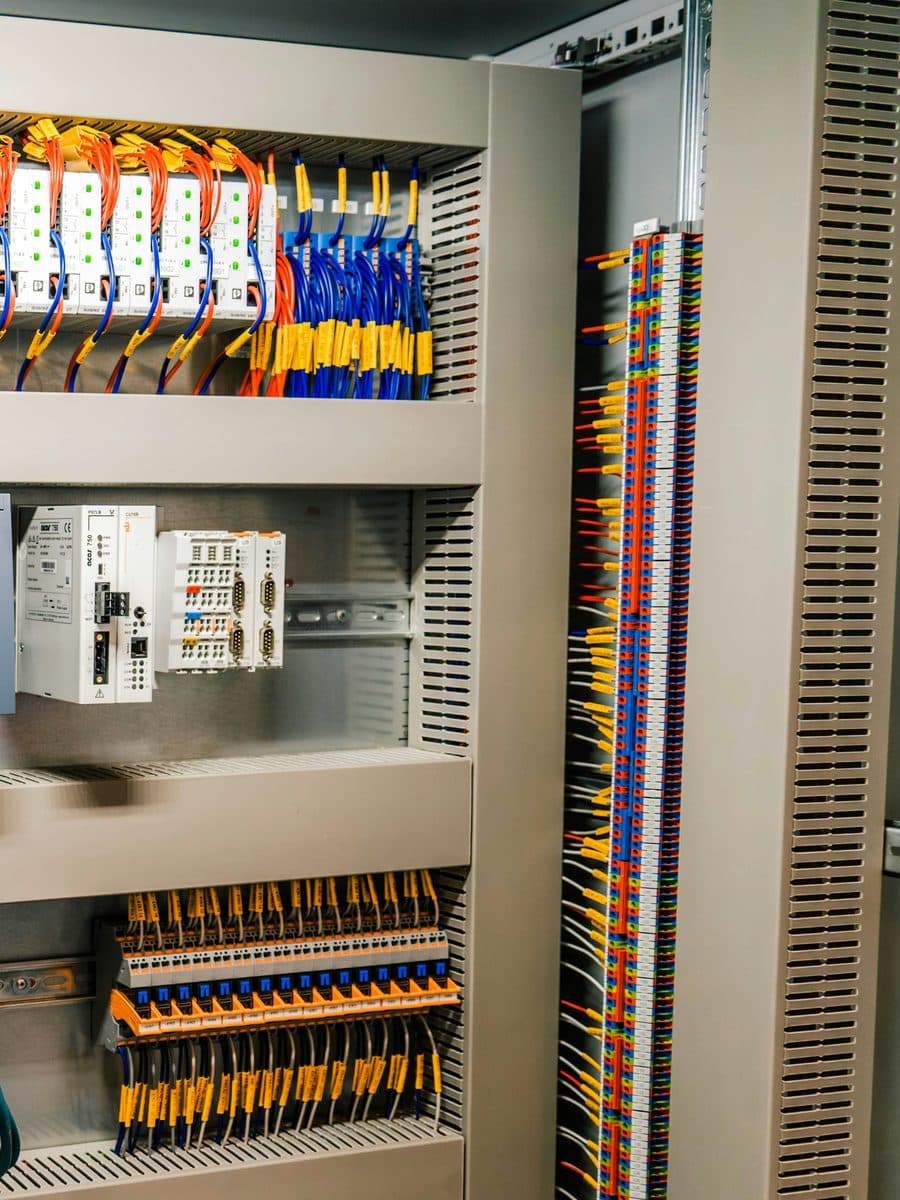
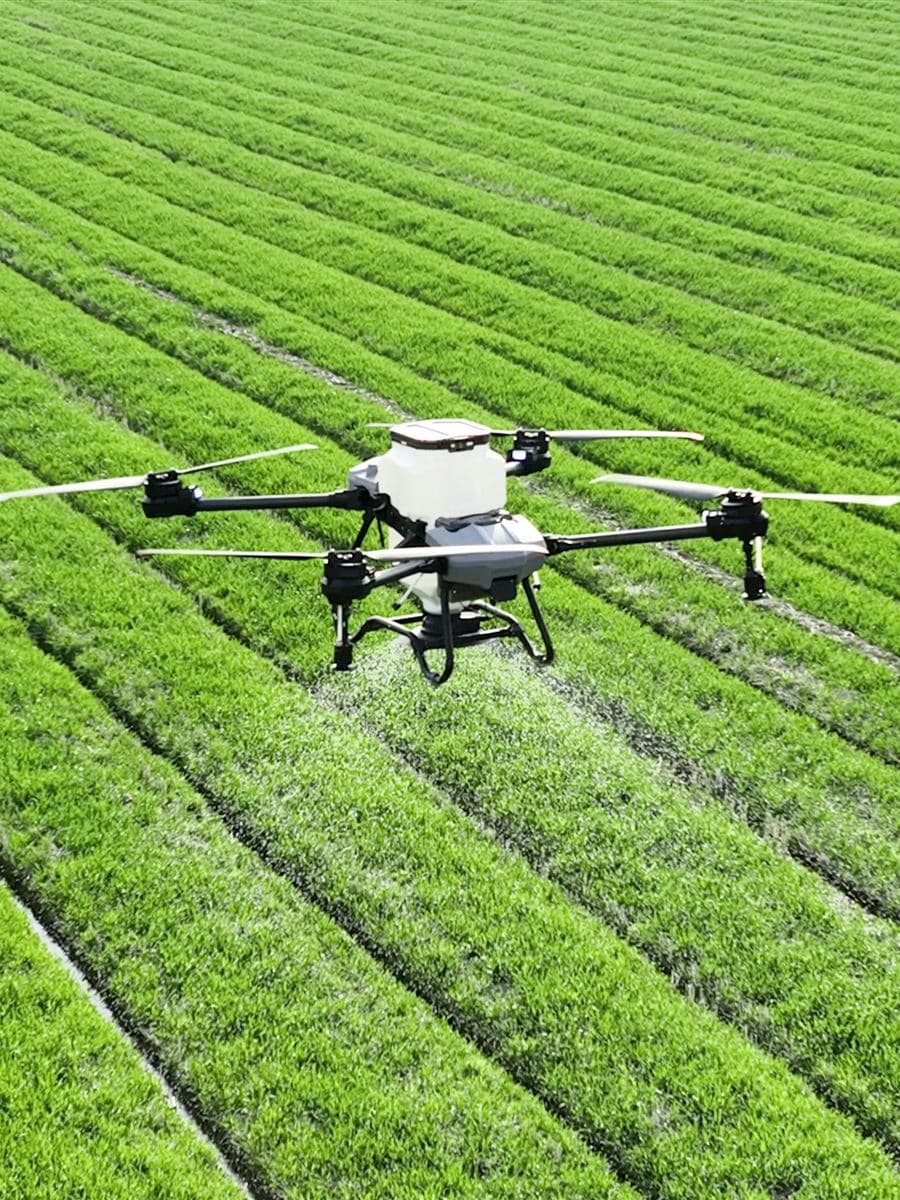
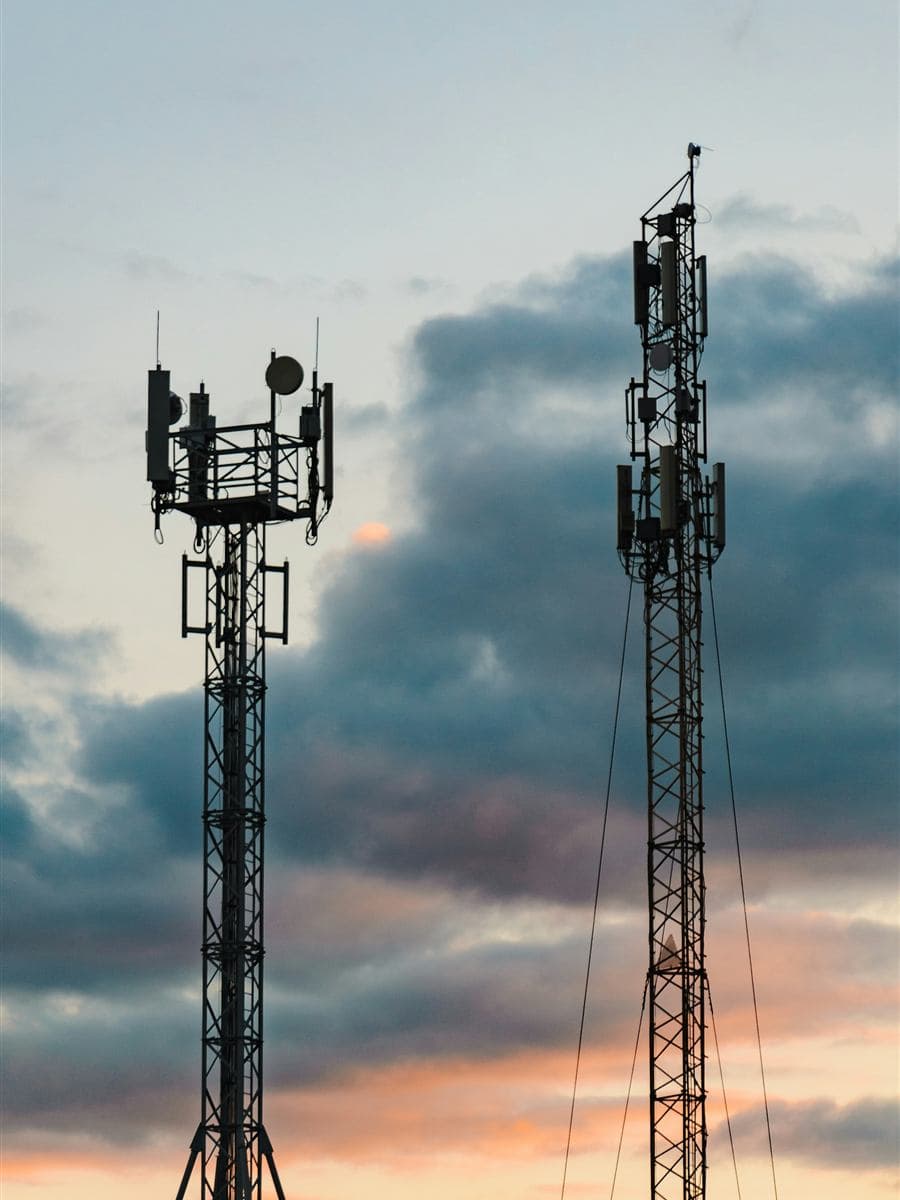
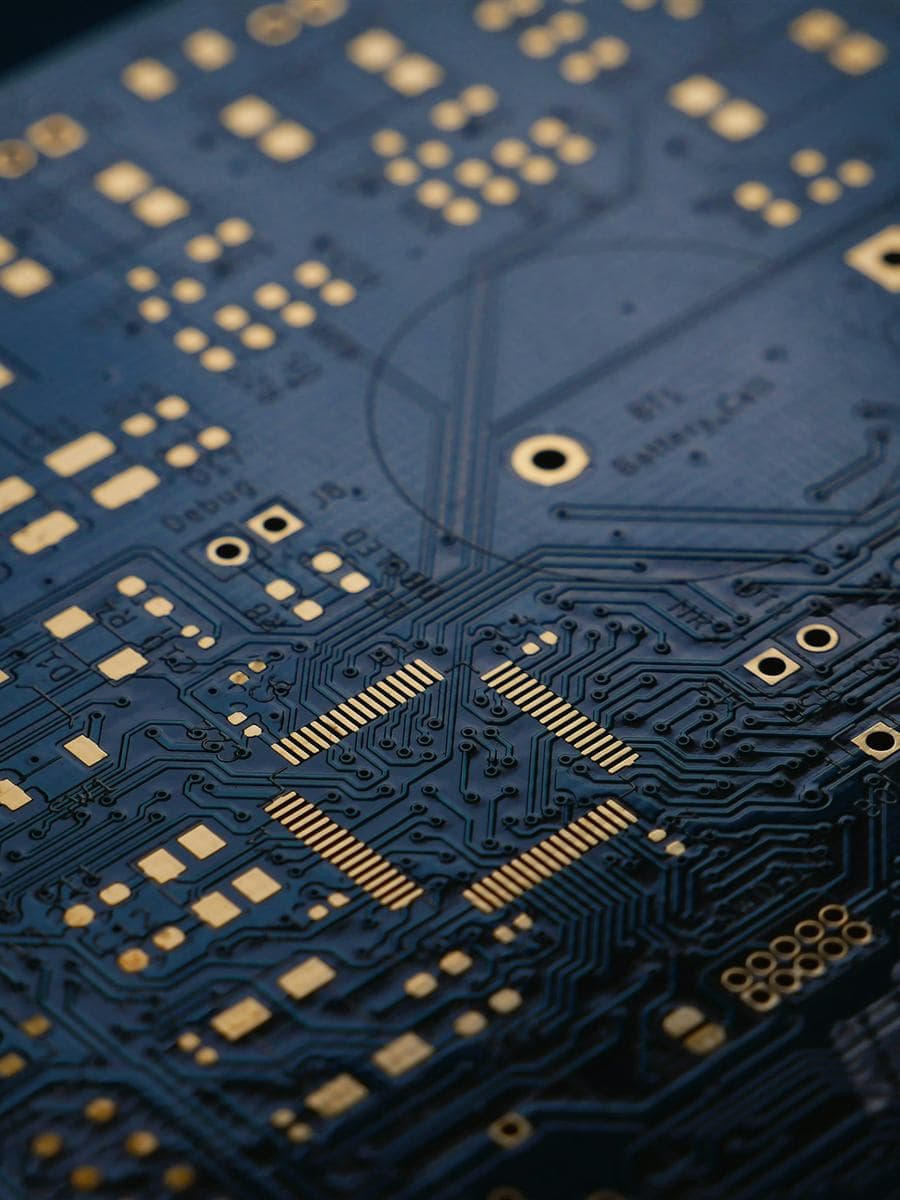
Each page lists the products of the sector by conformity class, the obligations that weigh most, the regulation next to the EU CRA and what manufacturers there typically get stuck on.

Your sector isn't listed?
The Cyber Resilience Act does not work by sector. It covers every product with digital elements, whether it ends up in a lab, a hospital supply chain, retail or logistics. The maturity assessment gives a first classification for your product.
Start the assessmentSectors outside the Cyber Resilience Act
Medical devices and in-vitro diagnostics (Regulations (EU) 2017/745 and 2017/746), motor vehicles (Regulation (EU) 2019/2144), civil aviation (Regulation (EU) 2018/1139) and marine equipment (Directive 2014/90/EU) follow their own cybersecurity rules and are excluded under Art. 2 EU CRA. Products developed exclusively for national security or defence are excluded as well.
Where manufacturers stand
Two starting points, one goal
Most manufacturers recognise themselves in one of the two columns. Both end up at the same place: evidence per product that holds up when market surveillance asks.
No programme yet
- Nobody in the company owns the EU CRA
- No structured process for SBOMs
- No continuous vulnerability monitoring for products already shipped
- Products with digital elements on the EU market without a plan
Processes at their limit
- SBOMs and evidence kept in spreadsheets
- Vulnerabilities researched by hand instead of matched automatically
- Evidence spread across several systems and teams
- No single view of readiness across the portfolio
Frequently asked questions
Who does the Cyber Resilience Act apply to?+
The Cyber Resilience Act applies to every economic operator that makes products with digital elements available on the EU market: manufacturers carry the main obligations, importers and distributors have verification duties. Covered are hardware with embedded software, such as IoT devices, machines and embedded systems, and standalone software, regardless of company size or where the company is based.
Does the Cyber Resilience Act apply to us?+
If a product contains software or firmware, can establish a data connection and is sold in the EU, the Cyber Resilience Act most likely applies. The exclusions in Art. 2 EU CRA cover sector-regulated products such as medical devices, motor vehicles and civil aviation. The free maturity assessment gives an orientation for a specific product in about 15 minutes.
Which products fall under the Cyber Resilience Act?+
All products with digital elements: connected hardware such as IoT devices, machine controllers and network equipment, and standalone software such as desktop applications, mobile apps, firmware and operating systems. Components placed on the market separately, such as software libraries, are covered too.
Which sectors are excluded from the Cyber Resilience Act?+
Medical devices, in-vitro diagnostics, motor vehicles, civil aviation and marine equipment are excluded under Art. 2 EU CRA because their own EU rules already cover cybersecurity. Products developed exclusively for national security or defence are excluded as well. Free and open-source software outside a commercial activity is not covered either.
Does the Cyber Resilience Act cover SaaS and standalone software?+
Standalone software falls under the Cyber Resilience Act as soon as it is made available on the EU market. SaaS as such is outside the scope. Remote data processing is covered only when the product needs it to perform one of its functions and the manufacturer designed it for that product.
How far along is your product?
The maturity assessment takes about 15 minutes and returns a prioritised plan for your product and sector.
Source: Regulation (EU) 2024/2847 (Cyber Resilience Act), Official Journal of the EU. https://eur-lex.europa.eu/eli/reg/2024/2847/oj